
In garment factories, textile units, laundries, and tailoring businesses, ironing and pressing tables play an important role in achieving smooth, wrinkle-free fabrics. While many people focus on the heating system or table structure, the foam layer used in these tables is equally important. The right foam thickness directly affects ironing quality, comfort, steam flow, and durability. Choosing the correct vacuum iron table foam can improve productivity and provide better finishing results for different fabric types.
Why Foam Thickness Matters in Ironing Tables
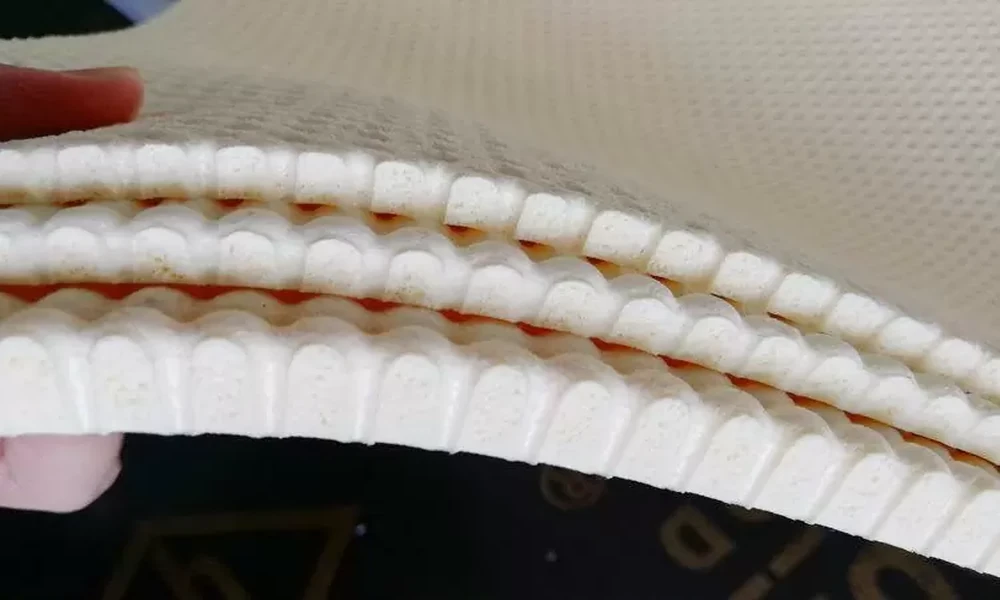
Foam acts as a cushioning layer between the fabric and the hard metal surface of the table. Its thickness determines how evenly heat and pressure are distributed during ironing. If the foam is too thin, the table may feel hard and uneven. If it is too thick, steam movement and pressure transfer may become less effective.
A balanced foam thickness helps operators maintain fabric quality while also improving working comfort during long ironing hours. This is especially important in India’s textile and garment industries, where ironing work is continuous and fast-paced.
Impact on Heat and Steam Distribution
The primary purpose of ironing and press tables is to allow proper heat and steam penetration into fabrics. Foam thickness plays a major role in this process.
Proper Thickness Supports Better Steam Flow
- Medium-density foam allows steam to circulate evenly
- It prevents moisture buildup under fabrics
- It helps remove wrinkles faster
- It supports vacuum suction systems effectively
Very thick foam can trap excess moisture, while extremely thin foam may not provide enough insulation. This balance is essential for professional ironing performance.
Better Heat Retention
Correct foam thickness also improves heat retention. The ironing surface remains stable for longer periods, helping workers achieve consistent results without repeated pressing.
Comfort and Operator Efficiency
Workers in garment factories and laundry units often stand for long hours while ironing clothes. Foam thickness contributes greatly to operator comfort and productivity.
Advantages of Comfortable Cushioning
- Reduces hand pressure during ironing
- Minimizes fabric slipping
- Improves ironing accuracy
- Helps maintain steady arm movement
A properly designed iron table foam layer creates a softer working surface that reduces fatigue and allows smoother garment handling.
Fabric Protection and Finish Quality
Different fabrics require different levels of support while pressing. Foam thickness directly affects the appearance and finish of garments.
- Thin Foam for Delicate Precision
Thin foam layers are generally preferred for lightweight fabrics because they provide sharper creases and better detailing.
- Medium Foam for Daily Garments
Medium-thickness foam works well for cotton, uniforms, school wear, and regular garments because it balances softness and firmness.
- Thick Foam for Heavy Fabrics
Heavy materials like denim, jackets, or industrial textiles may need thicker cushioning to absorb pressure evenly.
Using the right Steam iron table foam helps avoid fabric shine, pressure marks, and uneven wrinkles. This improves the final presentation of garments and extends fabric life.
Durability and Maintenance Benefits
Foam thickness also impacts the lifespan of ironing tables. Low-quality or improperly sized foam wears out quickly under continuous heat and pressure.
Signs of Poor Foam Thickness
- Uneven ironing surface
- Burn marks on fabrics
- Reduced vacuum suction
- Sagging table padding
- Increased ironing time
High-quality foam with the correct thickness maintains shape and performance for longer periods. Businesses can reduce replacement frequency and maintenance costs by selecting suitable foam materials.
Many industrial users now prefer customized Press table foam solutions designed for specific ironing applications and machine types.
Choosing the Right Foam for Different Industries
Different industries require different ironing setups. Tailoring shops, hotels, garment exporters, and textile factories all use ironing tables differently.
Factors to Consider Before Selecting Foam
Reliable foam manufacturers often provide industrial-grade foam options with varying densities and thicknesses to match these operational needs.
Indian textile businesses are increasingly focusing on efficient ironing systems because better finishing improves customer satisfaction and export quality standards.
Smart Foam Choices for Long-Lasting Ironing Efficiency
Foam thickness may appear like a small detail, but it has a strong influence on ironing table performance, fabric quality, and worker comfort. The right foam improves steam circulation, supports better heat distribution, protects garments, and increases operational efficiency. Businesses that invest in suitable ironing table materials often experience smoother workflow and improved finishing results. Selecting the correct vacuum iron table foam for specific applications can make a noticeable difference in both productivity and long-term equipment performance.
—————————————————————————————————